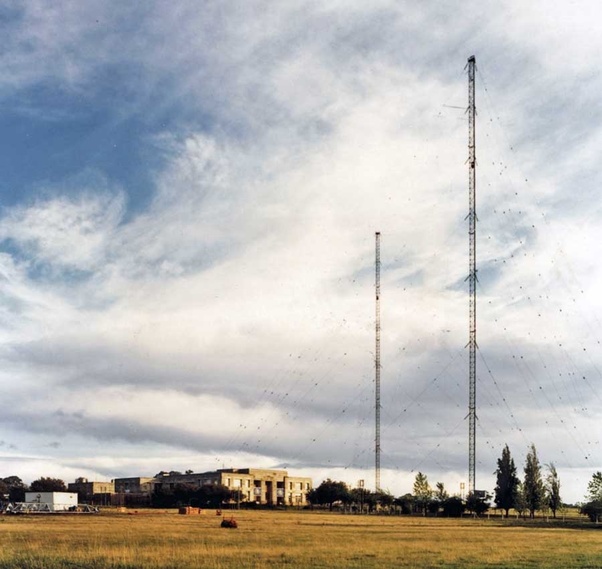
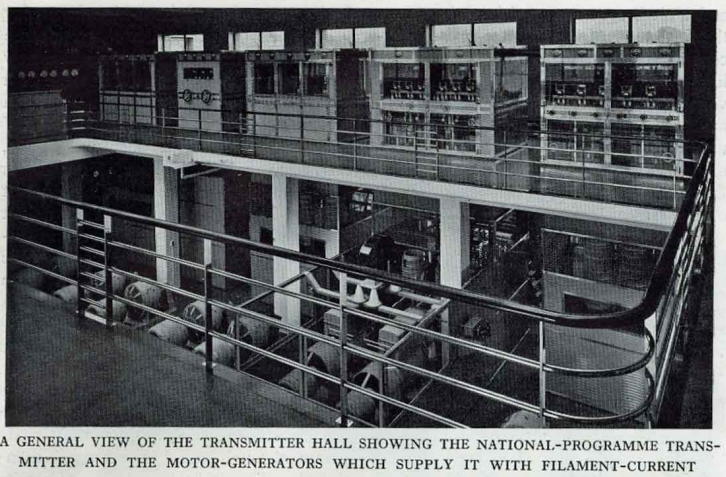
The BBC longwave signal at 200 or 198 kHz has been a permanent fixture of the broadcasting spectrum across the British Isles for decades. Apart from occasional outages due to upgrades or rare faults, and disruption during part of the Second World War, Droitwich has been radiating its longwave signal for nearly 90 years. This is the only signal that can be received from anywhere, land and sea, in the vicinity of the UK.
Through all that time, therefore, the BBC on longwave has been a vital source of the Shipping Forecast, utilised by fishermen and other shipping to avoid stormy weather. No digital, mobile ‘phone or FM signal can travel out to the large regions of ocean that this forecast covers; longwave can. The BBC has provided no evidence that seafarers no longer use this service on longwave, nor provided any listening figures for unusual demographics such as this. Furthermore, submarine commanders continue to view Radio 4 longwave as critical infrastructure that would be one of the first things they would check in the event of a national disaster.
In an age of increasing volatility, combined with an increasing dependence upon digital sources of information, longwave transmissions are more vital than ever. Longwave can be received from anywhere, using a cheap battery-powered radio that would work in the event of a power outage. It doesn’t require the internet, which is always vulnerable to an accidental or deliberate outage because of cyber warfare, solar flares or infrastructure failures. Digital technologies are relatively new, having existed for just a few years. By contrast, longwave is a tried-and-tested technology broadcast from reliable transmitters with their own backup power supply, and can serve as a vital source of news and information in a time of crisis.
It is essential that short-term money-making measures, at a time when the stability of the internet and UK society is taken increasingly for granted, do not lead to this piece of critical national infrastructure being switched off. If and when disaster arises, we shall all thank the government and the BBC for having left it switched on.
 Keep Longwave