About the Campaign
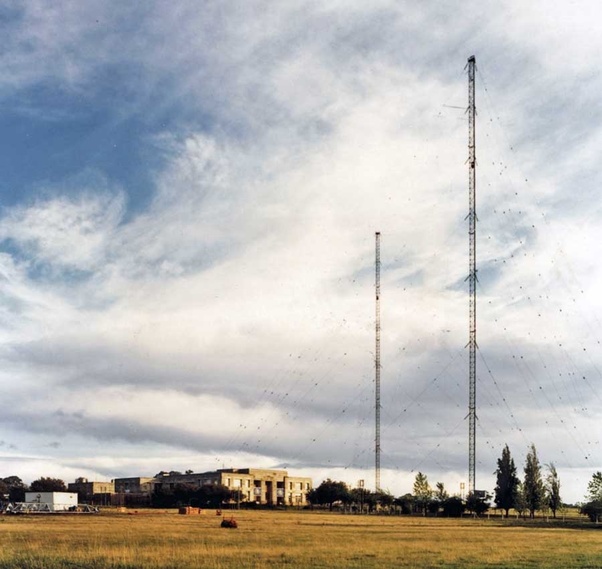
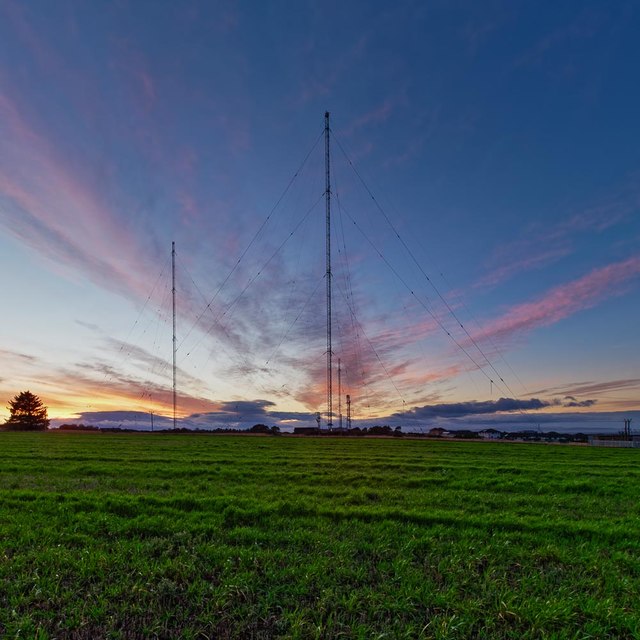
In May 2023 the BBC announced plans to cease broadcasting on Longwave, ending nearly 90 years of longwave broadcasts from the historic Droitwich Transmitter as well as output from its two Scottish subsidiaries. at 0100 BST on 27th June 2026, Radio 4 Longwave came off the air to the sound of the National Anthem, around 102 years since transmissions beginning from Daventry in 1925. The Campaign to Keep Longwave was founded oppose this shutdown. We believe that longwave radio is a vital piece of national infrastructure as well as an important part of the UK’s broadcasting heritage that continues to provide a lifeline to many. Please support our petition to reinstate longwave radio in some form here.
We have also launched a separate petition to retain Radio 5, Radio Wales and Radio Scotland on Medium-wave as a second-best option for national radio resilience. Please do sign this petition here and help preserve our national radio resilience.
How else can you help?
Get Involved
Sign up to hear more news about the campaign to restore longwave and play a part in preserving medium-wave.
Share your comments

Use our comments page to let us know how much longwave and mediumwave radio mean to you.
Keep Listening

You can no longer enjoy BBC Radio 4 nationwide on LW, but AM radio lives on with Radio 5 on 693 and 909 kHz in most areas.
Why do we care about AM radio?
Longwave and medium-wave are an important part of our radio heritage here in the UK. The BBC began transmissions on longwave at Daventry in 1925, and broadcast to the entirety of England and Wales, and much of Ireland and the European continent, from the single transmitter at Droitwich since 1934, with two subsidiary transmitters serving Scotland. 22 Radio 5 transmitters cover most of the country on 693 kHz and 909 kHz Medium-wave, a signal that is currently still operating but may soon be under threat.
Learn more about the history of longwave
Energy-efficiency
Longwave’s unique feature is its ability to travel large distances, owing to the size of the radio waves that it broadcasts. That means that a single transmitter can be used to serve an entire country and beyond – a remarkably efficient way to broadcast. This makes it the medium of choice for a climate-conscious age. Medium-wave cannot travel so far, and so requires more transmitters, but is still much more efficient than FM and DAB in this regard. To get the same coverage requires 100s of digital radio (DAB) or FM transmitters, which means a much greater cost of materials and energy required to make those broadcasts. AM (LW and MW) receivers use a fraction of the energy used by smartphones, computers, smart speakers and many DAB radios to receive the same programme.
Find out about how longwave can help to save energy
Nobody left out
Since longwave and medium-wave coverage is almost universal in the UK, it can be heard by anyone anywhere. There are still regions where other types of radio broadcast cannot reach, making it an important lifeline. AM radio doesn’t require an internet connection or ‘phone signal, both of which can be unreliable. It can even be used by fisherman across the waters surrounding the British Isles to get all-important updates via the Shipping Forecast. In times of local power cuts, national crises and internet outages, AM radio remains resolute where other options fail. It is therefore a vital lifeline to bring news during crises.
Learn about Longwave as a crucial piece of national infrastructure

