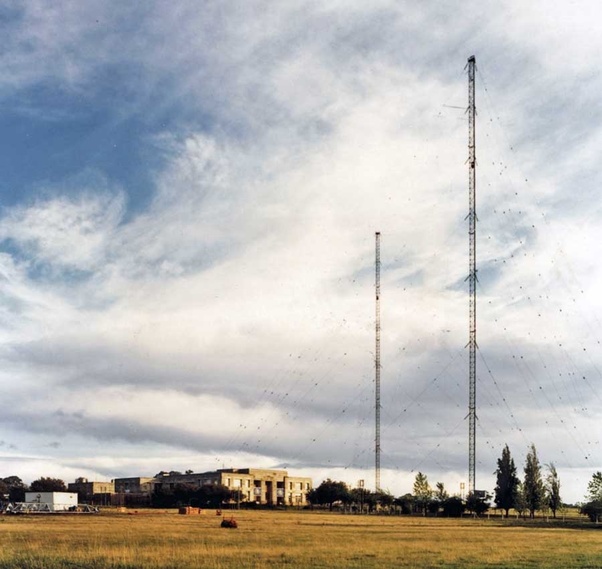
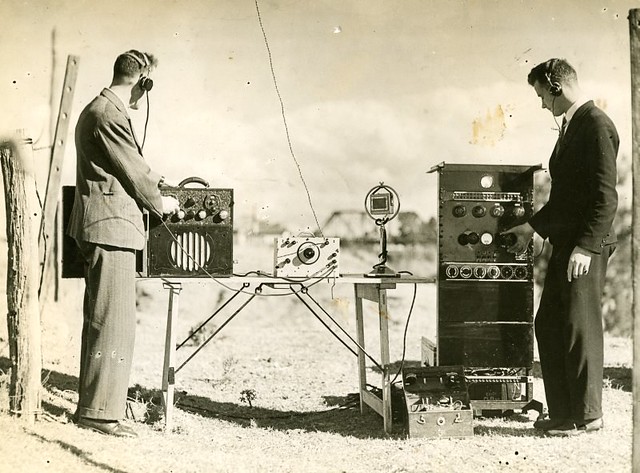
Today, 31st March 2025, marks one year since separate programmes were ended for BBC Radio 4 Longwave. This means that the longwave signal carries a simulcast of Radio 4 FM. The real issue, however, is the BBC’s proposal to switch off longwave entirely at the end of June 2025, one hundred years after longwave transmissions began, from Daventry, in 1925. Today therefore seems especially apposite for the publication of our new report into why longwave should not be switched off, but retained as a vital and vibrant component of radio broadcasting in the twenty-first century.
Still Speaking to the Nations: The importance of BBC Longwave Broadcasting in the Twenty-First Century sets out five main reasons why longwave remains vital:
- National infrastructure: LW is a crucial backup in a crisis and at time of war, an instrument of ‘soft power’ abroad and source of impartial news
- Energy Efficiency: There is no more efficient way of speaking to the whole nation, and beyond, at once
- Rural and seafaring listeners: There simply is no other option for listeners in some rural locations and at sea
- Heritage value: A piece of broadcasting history, still much loved and by no means defunct
- Listener support: Our petition on change.org, and numerous comments left there and on our website, illustrate the depth of support for longwave today
The crux of the report is that longwave is not a thing of the past, clung onto for reasons of mere nostalgia by a group of enthusiasts soon to die out. Keeping longwave is also about radio vibrancy, encouraging new and younger listeners at a time when the internet seems increasingly biased and reliable voices are ever harder to hear.
You can read the full report at the bottom of this page or download it here. It is our hope that the BBC and the government will listen to the arguments set out there, and to the comments of so many supporters, and cancel the foolhardy plan to shut down longwave.
Thank you for your support.


 Keep Longwave
Leave a reply to Michael Moloney Cancel reply