
A motion ‘that this House notes with concern the BBC’s intention to cease broadcasting BBC Radio 4 on Longwave’ has been tabled in Parliament, the first time that this issue has been brought up there since the BBC’s 2023 announcement that it planned to shut down longwave. The motion, brought by Tim Farron MP, has been signed as of 30th October by 17 members of parliament, most of them from the Liberal Democratic Party of which Mr Farron is a former leader.
The motion text notes the ’90 year tradition’ that longwave represents, as well as its importance for the future, as ‘a vital part of the UK’s broadcasting infrastructure’ serving rural areas reliably and providing coverage during emergencies. The fact that the ‘sovereign’s speeches’ have been carried on the platform ‘since its inception’ is also noted, something that the King himself has previously acknowledged.
As an ‘Early Day Motion’, the single-sentence motion has not yet been scheduled for debate by the government, and in order to do so will require more MPs’ signatures. The Campaign to Keep Longwave is therefore calling on all supporters to write to your MP to ask them to sign the motion. It’s quick and easy to find your MP’s contact details – just visit https://members.parliament.uk/ and enter your postcode. Please direct your MP to the web page https://edm.parliament.uk/early-day-motion/64494/future-of-bbc-radio-4-longwave which contains the full motion and, if you can, express why longwave is important to you.
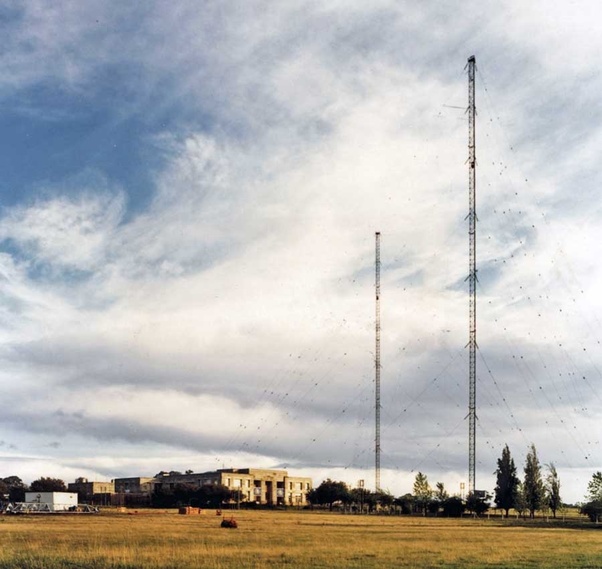
Previously, support for longwave’s continuation has been expressed by individual MPs and Wychavon council, which administers the district surrounding the Droitwich masts. Successive governments, however, have failed to engage with the issue, with Secretaries of State for Media dismissing the public’s concerns and maintaining this is a ‘matter for the BBC’ despite the nationwide effects that any shutdown would have.
The current Secretary of State for Sport, Media, Civil Society and Youth, Stephanie Peacock MP, commented in May that ‘the BBC is operationally and editorially independent from the Government, and we are not able to intervene in its day-to-day operational decisions. This includes decisions that the BBC will need to make about the distribution of its radio services and the retirement of older networks.’
The minister went on to cite the Digital radio and Audio Review carried out in October 2021 under the previous government, and its recommendation that ‘the BBC and commercial radio work together with Ofcom on the migration from long and medium wave broadcasting given the significant fall in analogue radio listening.’ However, the Campaign to Keep Longwave rejects the findings of this review, which failed to account for many of the advantages of longwave radio, including its low energy cost per listener, unique ability to reach rural areas and international penetration, as set out in our 2025 report Still Speaking to the Nations.
It is the contention of supporters of the campaign that any decision on the future of longwave must be made by the government in the interests of the nation, given the unique and long-standing importance of the longwave signal.
In September of this year, the BBC stated that it ‘expects’ longwave to close during 2026. It is to be hoped that MPs of all political parties will recognise the threat posed by any such move, and will add their support to the Early Day Motion as soon as possible. Please continue to sign and share our petition and, if you are a UK resident, write to your MP expressing your support for longwave and urging them to add their support to the motion.
https://edm.parliament.uk/early-day-motion/64494/future-of-bbc-radio-4-longwave


 Keep Longwave
Leave a reply to melvyn dalley Cancel reply