The BBC has begun broadcasting an occasional short message on Radio 4 Longwave, suggesting that it will soon close. Although no date is given in the recorded announcement, there is no reason to believe that there has been any change to the previously proposed date of September 2026.
The message, in explicitly referring to ‘198 kiloHertz longwave’, may be the first time that longwave has been mentioned by name on BBC Radio for over two years, when the final midday Shipping Forecast concluded ‘thank you for listening to BBC Radio 4 Longwave’. Since that time, an unspoken policy seems to have prevailed over all BBC continuity announcers, who may refer to FM, DAB, ‘smart speakers’ and BBC Sounds but never, seemingly, to longwave, as though the platform had already been abandoned and simply did not exist. Until now, its listeners had been entirely ignored.
The message also represents the first ‘opt-out’ for the longwave service since 31st March 2024, after which Radio 4’s longwave and FM/DAB schedules were made identical. Prior to that time, programmes such as Yesterday in Parliament, the Daily Service, Test Match Special (until summer 2023) and the Shipping Forecast at midday and 17.54 were available on longwave only, whilst Radio 4 FM carried other programmes.
All this comes as the petition to keep Radio 4 Longwave continues to grow, with over 7300 signatures as of 25th April 2026. 24 MPs of various political parties have also signed an Early Day Motion in parliament calling on the BBC to consult more widely before the longwave service is axed. The Campaign to Keep Longwave continues to encourage supporters to write to their MPs, asking them to sign up to this motion if they have not already done so and therefore show their support for a nationally important service.
Furthermore, several calls were made last week to the BBC’s Feedback programme, expressing yet again the many reasons for retaining longwave and asking the BBC to reconsider its stance on the issue. The programme will be repeated on Radio 4 Longwave (and FM, DAB and online) at 20.00 BST on Sunday 26th April, and is available to download or stream from the BBC website (the longwave discussion begins 17 minutes in).
Whilst the BBC seems to resigned itself to longwave’s closure, the Campaign to Keep Longwave continues to press for a change of stance, making again the arguments expressed in our report Still Speaking to the Nations. These include reasons of national security in increasingly turbulent times, resilience to natural disasters, rural coverage and energy efficiency.
Despite claims to the contrary made even on this week’s Feedback episode, the technology required to broadcast on longwave for decades to come is by no means unobtainable, and the three transmitters could be re-engineered at a cost amounting to just 0.3 per cent of the BBC’s annual budget according to the corporation’s own figures. The BBC has refused to engage with suggestions of how this funding could be obtained through grants, governmental support or crowd-funding, preferring instead to push ahead with the shut-down regardless of funding options.
It is inevitable that the makers of the BBC’s Feedback programme have to cut down telephone messages to fit everything into half an hour. However, it is perhaps telling that the BBC chose not to broadcast the following impassioned part of one of the messages that they relayed, the sentiment of which is worth repeating here:
“The BBC is running an ad campaign at the moment entitled ‘this is our BBC’. Well, for those of us who rely on longwave, this is our BBC: Radio 4 Longwave. Why is the BBC refusing to listen to its audience and license-fee payers, and refusing to provide an adequate response to listeners at home and abroad and even MPs about saving this vital national and international service? Please, BBC, don’t abandon us, and keep Radio 4 Longwave.”
Please sign our petition and write to your MP if you haven’t done so already, and send a message to BBC Feedback if you are able. All the help and support we can get is urgently needed. Otherwise, our BBC may simply cease to exist.
Addendum: Feedback clip about Longwave available to view on YouTube
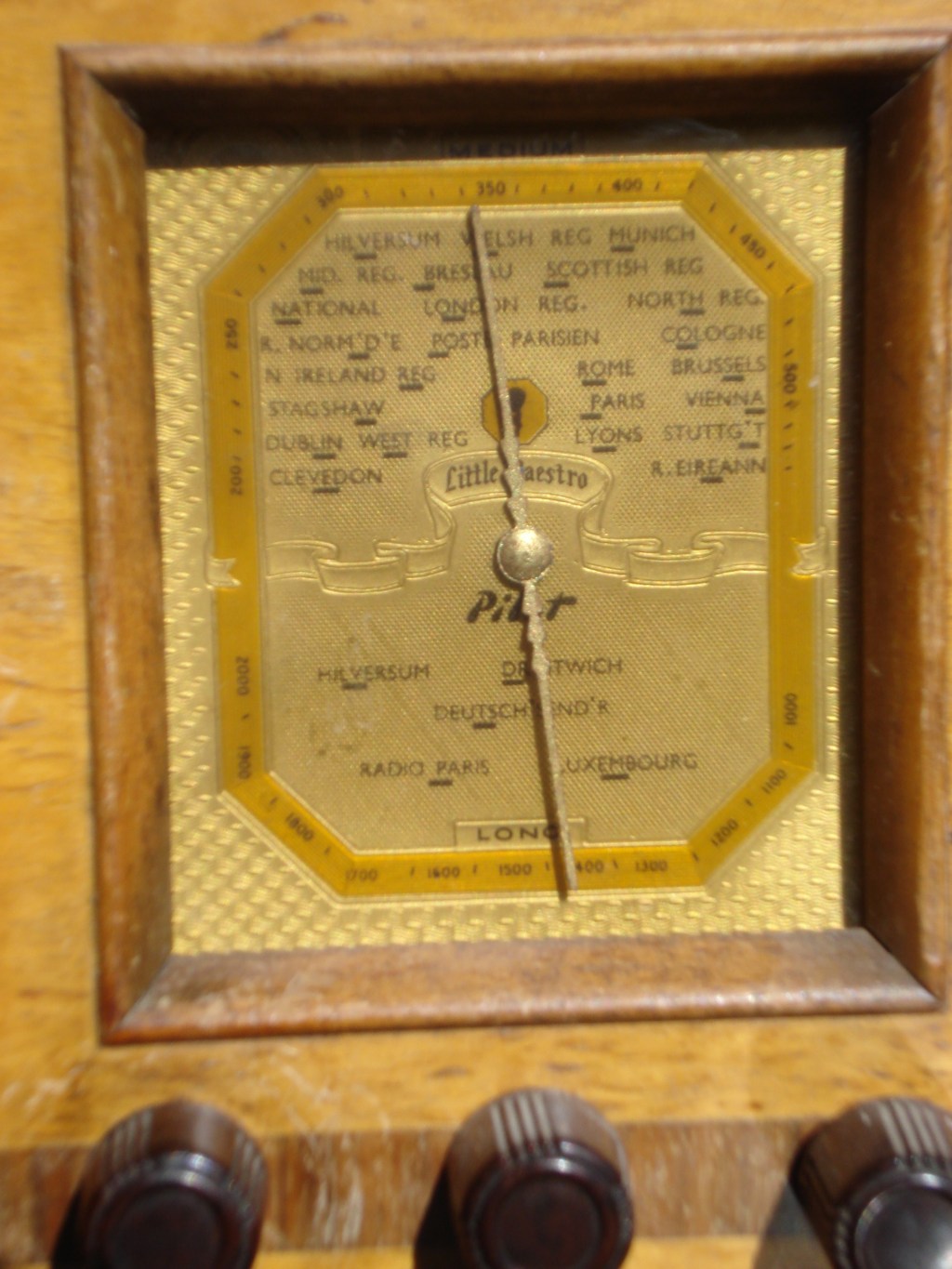
You can watch a YouTube video of the discussion on BBC Radio 4 Feedback programme about longwave as received through a vintage longwave radio at the following link:
Courtesy of Tilly Up North.


Leave a comment